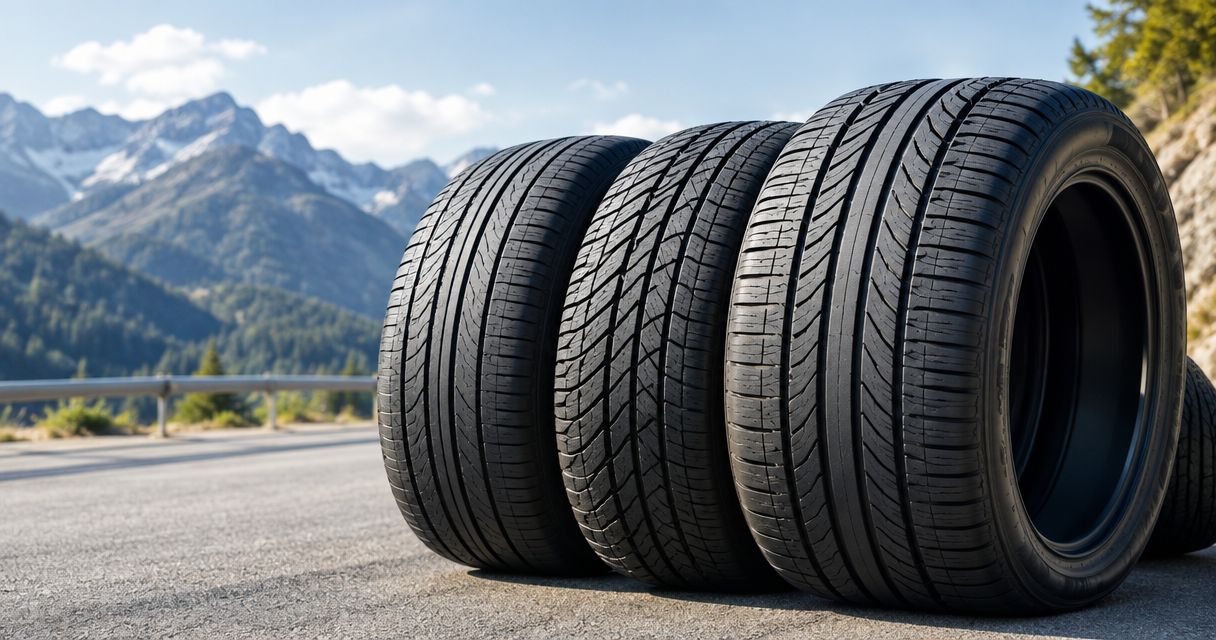

Best overall: Michelin CrossClimate2; best for comfort-focused sedans: Continental PureContact LS; best for routine local driving: General AltiMAX RT45. This 2026 guide compares the best all-season tires for Florida weather by wet-road priorities, vehicle fit, driving habits, and the compromises you accept.
- Michelin CrossClimate2 is the best all-season tires for Florida weather pick when rain and out-of-state travel both matter.
- Continental PureContact LS suits comfort-focused sedan drivers; Michelin Defender2 suits drivers prioritizing tread life.
- Bridgestone WeatherPeak suits compatible crossovers making winter trips; General AltiMAX RT45 suits routine local driving.
- Check tire size, load rating, inflation, and remaining tread before choosing any replacement.
Why this matters
Florida tire shopping starts with rain, not snow. Standing water, worn tread, and incorrect inflation deserve your attention before a winter-performance badge or an advertised treadwear warranty. No tire makes flooded roads safe.
Your vehicle also matters. A tire that fits a family sedan is not automatically suitable for a pickup, a loaded SUV, or a performance car. Match the vehicle manufacturer's requirements before comparing models.
Elite Auto Repair & Service Inc is best suited to Kissimmee drivers seeking brake, suspension, or diagnostic service. The shop offers those services, which matter when pulling, vibration, or poor braking accompanies a tire concern. Visit Elite Auto Repair & Service Inc for information about its auto repair and maintenance services; this tire guide does not imply that the shop stocks or installs these models.
For a 2026 replacement decision, separate the tire choice from the repair diagnosis. New tires do not repair a worn suspension component or a brake problem.
What makes the best all-season tires for Florida weather?
Use these criteria before you choose a brand:
- Wet traction: Prioritize published wet-braking and wet-handling evaluations in the relevant tire category. A tread pattern alone does not prove stopping performance.
- Vehicle fit: Match the specified size, load capacity, and speed rating. Check the door placard, owner's manual, and any manufacturer-approved alternatives.
- Tread wear: Consider your driving distance, rotation habits, and alignment condition. A warranty is not a promise of actual service life.
- Ride comfort: Choose a touring tire when everyday ride quality matters more than sharp performance-car steering response.
- Travel needs: Consider severe-snow-rated all-weather tires if you regularly leave Florida for winter destinations. Florida-only driving does not require that capability.
For 2026, these criteria put compatible fit and wet-road performance ahead of brand familiarity. Reject an unsuitable size or load rating even when the tire ranks first.
Florida all-season tires at a glance
The order below matches the detailed recommendations. These are use-case picks, not a claim that every model was tested against every other model under identical conditions.
| Tire | Best for | Standout feature | Key limitation |
|---|---|---|---|
| Michelin CrossClimate2 | Mixed-weather driving and road trips | All-weather design with severe-snow certification | Adds winter capability that Florida-only drivers do not necessarily need |
| Continental PureContact LS | Comfort-focused sedan commuting | Luxury touring all-season positioning | Not a dedicated winter tire or a performance-focused summer tire |
| Michelin Defender2 | Drivers prioritizing tread life | Touring design centered on durability | Not severe-snow-rated |
| Bridgestone WeatherPeak | Compatible crossovers making winter trips | Touring all-weather design with severe-snow certification | Vehicle compatibility still depends on exact size and ratings |
| General AltiMAX RT45 | Routine local driving | General-purpose touring all-season design | Not designed around severe-snow capability |
Do not compare only the brand names. Compare the exact replacement size, its ratings, and the needs of your vehicle. Specifications and fitment differ across sizes within a tire family.
1. Michelin CrossClimate2: best all-season tire for mixed-weather trips
Michelin CrossClimate2 is an all-weather tire carrying the three-peak mountain snowflake symbol. It combines everyday road use with certified severe-snow capability, making it a useful default when your Florida driving also includes winter travel.
The appeal is coverage across changing conditions, not permission to drive faster in heavy rain. Hydroplaning still depends on water depth, speed, tread condition, inflation, and other factors. Keep those limits in view.
Michelin CrossClimate2 pros:
- Covers everyday driving and occasional trips into snowy conditions.
- Carries the three-peak mountain snowflake certification.
- Offers an alternative to choosing a Florida-only touring tire when your travel includes colder destinations.
Michelin CrossClimate2 cons:
- Its snow capability is unnecessary for drivers who never encounter winter conditions.
- It does not replace a dedicated winter tire for every winter-driving situation.
- Its directional tread requires an appropriate rotation pattern.
Best for: Drivers who want one compatible tire choice for Florida roads and mixed-weather travel.
Before choosing CrossClimate2, check its exact fitment and read wet-road evaluations for the relevant category. Verdict: Buy for mixed-weather use; skip it if the required vehicle specification is not offered.
2. Continental PureContact LS: best all-season tire for sedan comfort
Continental PureContact LS is a luxury touring all-season tire. Its role is everyday passenger-car use with an emphasis on the touring experience rather than track driving or dedicated winter service.
This is the shortlist choice when your routine is commuting, errands, and highway trips in a compatible sedan. Choose it because that category matches your needs, not because a luxury label guarantees the quietest ride on your particular car.
Continental PureContact LS pros:
- Fits a comfort-focused touring brief.
- Provides all-season use for compatible passenger vehicles.
- Keeps the buying decision centered on everyday driving rather than specialized winter or performance use.
Continental PureContact LS cons:
- It is not a dedicated winter tire.
- It is not the category to choose for track use or maximum summer-performance priorities.
- Cabin noise and ride feel also depend on your vehicle and road surface.
Best for: Sedan drivers who place everyday comfort ahead of specialized driving demands.
Check current specifications for your size and compare independent wet-road results before committing. Verdict: Buy for comfort-focused commuting; skip it for driving needs outside the touring category.
3. Michelin Defender2: best all-season tire for tread-life priorities
Michelin Defender2 is a touring all-season tire positioned around durability and everyday use. It belongs on your shortlist when you cover substantial driving distance and want tread life to be a central selection criterion.
Do not translate a mileage warranty into a replacement schedule. Inflation, alignment, rotation, loading, and driving conditions affect wear. Inspect the actual tires instead of waiting for a promised mileage figure.
Michelin Defender2 pros:
- Makes tread-life priorities central to the buying decision.
- Uses a touring all-season format for everyday driving.
- Suits drivers who do not need severe-snow certification.
Michelin Defender2 cons:
- It does not carry the severe-snow capability of the all-weather picks in this guide.
- Durability positioning does not establish that it wins every wet-braking comparison.
- Uneven wear can shorten useful life regardless of the model you choose.
Best for: Drivers who prioritize tread life and maintain their tires consistently.
For 2026, assess Defender2 against your actual travel needs rather than treating durability as the only buying criterion. Verdict: Buy for a tread-life-focused shortlist; skip it when severe-snow capability is a requirement.
4. Bridgestone WeatherPeak: best all-season tire for crossover winter trips
Bridgestone WeatherPeak is a touring all-weather tire with three-peak mountain snowflake certification. For a compatible crossover, it offers a way to include winter-trip capability in an everyday tire selection.
Its place here is specific: you drive a compatible vehicle and regularly travel beyond Florida into snowy conditions. It is not automatically a better choice than a conventional touring all-season tire for local driving alone.
Bridgestone WeatherPeak pros:
- Carries severe-snow certification.
- Combines a touring category with all-weather capability.
- Gives compatible crossover owners another mixed-climate option to compare.
Bridgestone WeatherPeak cons:
- Snow certification does not mean equal performance in every winter condition.
- Exact size, load rating, and speed rating still determine compatibility.
- Winter capability adds little to a use case that never involves winter travel.
Best for: Compatible crossover owners who make winter road trips.
Compare WeatherPeak with CrossClimate2 in your required size rather than assuming the same ranking applies to every vehicle. Verdict: Buy for a compatible crossover with winter-travel needs; skip it when fitment does not match.
5. General AltiMAX RT45: best all-season tire for routine local driving
General AltiMAX RT45 is a touring all-season tire for everyday use. It is a straightforward option to consider when your driving consists of local errands, commuting, and ordinary road trips rather than specialized performance or snowy destinations.
This recommendation is about its general-purpose role. It is not a claim that RT45 is the cheapest tire or that it beats the other models in wet braking. Make those comparisons using current specifications and relevant independent evaluations.
General AltiMAX RT45 pros:
- Matches a conventional touring all-season use case.
- Keeps the shortlist focused on ordinary daily driving.
- Offers an alternative to selecting a tire primarily for winter-travel capability.
General AltiMAX RT45 cons:
- It is not severe-snow-rated.
- It does not replace a dedicated performance tire for specialized driving.
- The model name alone does not establish a wet-road advantage over other choices.
Best for: Drivers seeking a general-purpose tire for routine local use.
Keep wet-road evidence and correct fit ahead of the appeal of a familiar model. Verdict: Buy for a compatible daily-driving application; skip it when you need severe-snow certification.
Check these details before replacing your tires
Read the vehicle requirements
Start with the driver's door placard and owner's manual. Record the required tire size and inflation guidance, then confirm the replacement's load and speed requirements. Do not use the maximum pressure printed on the tire sidewall as your vehicle's routine inflation target.
Check pressure when the tires are cold. Heat from driving changes the reading, so an after-trip measurement is not the same as a cold-pressure check.
Measure tread, not just tire age
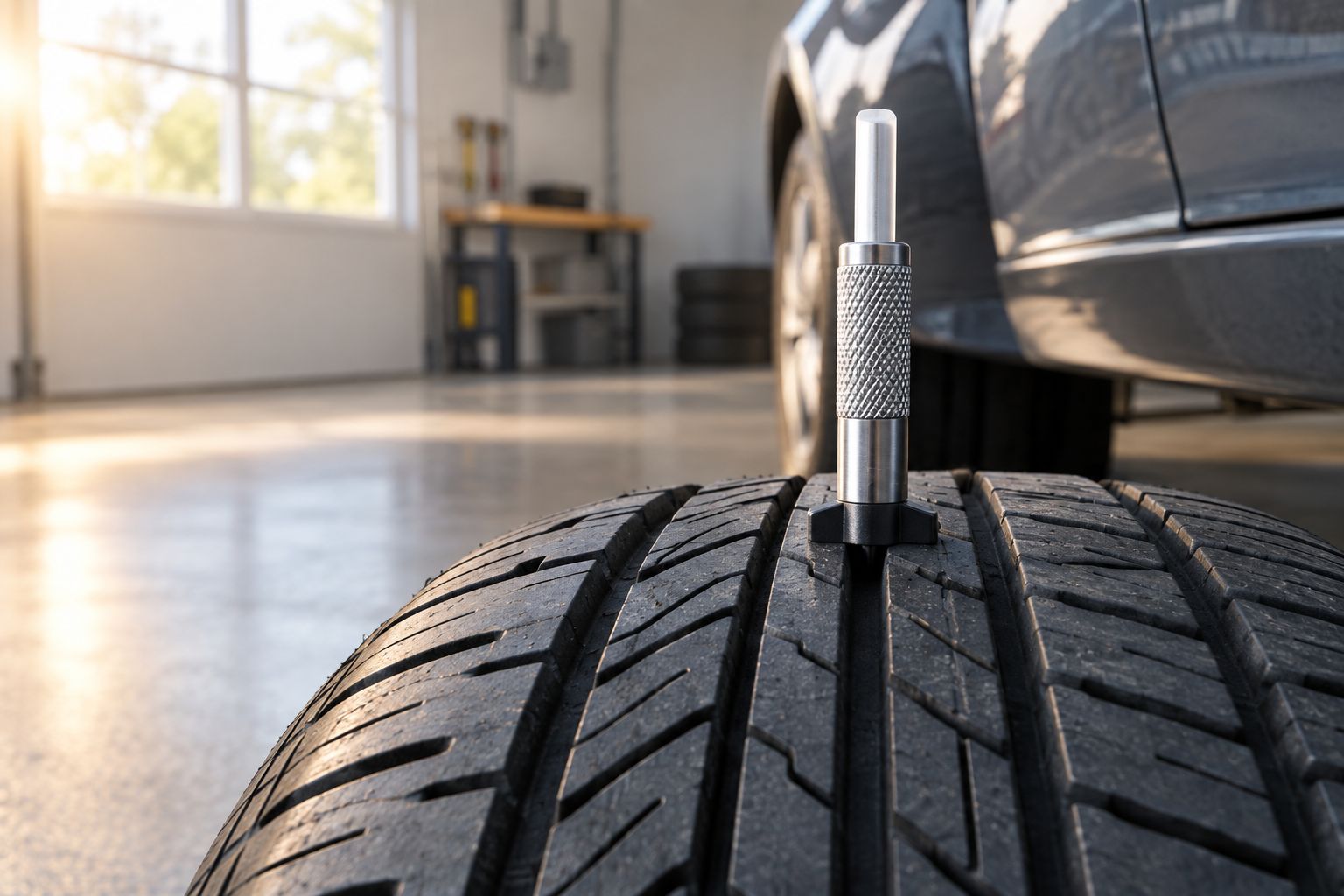
NHTSA's consumer tire-safety guidance identifies 2/32 inch, approximately 1.6 millimeters, as the replacement threshold for worn tread. That is an endpoint, not a wet-weather performance target.
For rain-focused shopping in 2026, use 4/32 inch as a conservative point to begin planning replacement and reviewing wet-road performance. Tire Rack's wet-weather guidance supports replacing tires before they reach the minimum tread depth when rain performance is a priority. Neither threshold makes standing water safe.
Measure across the tread and inspect all tires. One worn shoulder or an uneven pattern deserves attention even when another groove remains deeper.
Address wear-related repair symptoms
A steering pull, vibration, or repeated uneven wear deserves diagnosis rather than another tire purchase by itself. Ask for the cause to be identified; do not assume every symptom comes from the tire.
Elite Auto Repair & Service Inc offers suspension repair, brake service, and diagnostics in Kissimmee. Those services address repair concerns alongside your all-season tire decision, without assuming a tire replacement will fix them.
How the ranking works
This guide ranks tire families by distinct uses: mixed-weather travel, sedan comfort, tread-life priorities, crossover winter trips, and routine local driving. The recommendations follow the criteria above, including category, known certification, and vehicle compatibility.
This is not an instrumented head-to-head test. The order does not establish numerical differences in braking distance, noise, or tread life. Consult independent evaluations for your tire category and verify the manufacturer's current specifications before buying.
Which Florida all-season tire should you choose?
Choose Michelin CrossClimate2 as the default when mixed-weather travel matters and the fitment is correct. Choose Continental PureContact LS for comfort-focused sedan use, Michelin Defender2 for tread-life priorities, Bridgestone WeatherPeak for a compatible crossover's winter trips, or General AltiMAX RT45 for routine local driving.
For your 2026 decision, write down your vehicle requirements and travel needs before asking for recommendations. That keeps the conversation focused on suitable tires rather than whichever model someone recognizes first.
If braking, suspension, or warning-light concerns accompany the tire issue, Elite Auto Repair & Service Inc provides those repair services in Kissimmee. Diagnose the problem before treating new tires as the solution.
FAQ
What's the best all-season tire for Florida weather in 2026?
Michelin CrossClimate2 is this guide's default for Florida drivers who also make mixed-weather road trips. Confirm the exact size, load rating, and speed rating before choosing it.
Do Florida drivers need all-weather tires instead of all-season tires?
Florida-only driving does not require severe-snow-rated all-weather tires. All-weather tires become relevant when your trips include snowy destinations; wet-road performance still deserves separate consideration.
Is Michelin CrossClimate2 better than Michelin Defender2 for Florida?
Michelin CrossClimate2 is the better fit for mixed-weather travel, while Michelin Defender2 fits a tread-life-focused shortlist. Neither use-case recommendation establishes a universal wet-braking winner across every size.
What tire tread depth should I watch for during Florida's rainy weather?
Begin planning replacement around 4/32 inch when wet-weather performance is your priority. NHTSA identifies 2/32 inch, approximately 1.6 millimeters, as the worn-tread replacement threshold; inspect uneven wear separately.
Can new all-season tires prevent hydroplaning?
No tire guarantees protection from hydroplaning. Speed, standing water, tread condition, inflation, and vehicle factors all affect the risk; do not drive into flooded roads.
Can I put a different tire size on my car?
Use the manufacturer's specified size or an explicitly approved alternative. Confirm load capacity, speed rating, clearance, and vehicle-specific requirements before changing size.
Does Elite Auto Repair & Service Inc offer repairs related to tire concerns?
Elite Auto Repair & Service Inc offers suspension repair, brakes, and diagnostics in Kissimmee. Those services are relevant when pulling, vibration, or braking concerns accompany a tire issue; this guide does not claim tire sales or installation.
One last thing
A severe-snow symbol is not a wet-braking score. The three-peak mountain snowflake mark addresses a defined snow-traction requirement; it does not rank a tire's performance in Florida rain.
Before buying, ask for evidence about wet-road performance in the relevant tire category—not just an explanation of the symbol on the sidewall. That question keeps your selection tied to the conditions you actually drive in.