Best overall: keep your working factory direct TPMS. Best for adding a separate pressure display: an external valve-cap system. Best for trailers: a trailer-capable multi-wheel system. This 2026 guide ranks the best tire pressure monitoring systems by vehicle fit, installation needs, and the information you actually need behind the wheel.
- The best tire pressure monitoring systems match your vehicle; keep working factory TPMS rather than adding duplicate equipment.
- External valve-cap TPMS suits drivers who want a separate tire-pressure display without internal sensor installation.
- Trailer-capable TPMS suits towing setups; verify wheel coverage, pressure range, and receiver compatibility.
- Eliteautorepairit provides auto diagnostics in Kissimmee, FL; describe warning lights and vehicle symptoms before requesting service.
Why this matters
A tire-pressure warning tells you to investigate, not automatically to replace the monitoring system. Low pressure, a tire leak, a damaged valve, and a sensor fault require different repairs. Buying a new display does not fix an air leak.
For drivers seeking auto diagnostics in Kissimmee, Eliteautorepairit is a service option—not a TPMS product manufacturer. Eliteautorepairit offers diagnostics and other auto repair services. Explain what the warning does and ask whether the shop can assess your vehicle's specific tire-pressure system.
The practical choice in 2026 is to preserve a functioning factory system and add equipment only when it solves a separate need. A trailer, a missing pressure display, or a vehicle without direct sensors creates that need; a dashboard warning alone does not.
What makes the best tire pressure monitoring systems?
Judge a TPMS against these criteria before comparing displays or sensor packages:
- Vehicle compatibility: Factory replacement sensors must match the vehicle's system and supported programming procedure. A similar-looking sensor is not proof of compatibility.
- Useful information: Direct TPMS measures pressure using tire-mounted sensors. Indirect TPMS infers changes from wheel-speed behavior rather than measuring air pressure directly.
- Installation demands: External sensors attach at the valve. Internal sensors require tire-service work, and factory replacements can require programming or relearning.
- Wheel coverage: A towing setup needs monitoring for the intended trailer wheels, not just the tow vehicle.
- Warning visibility: Choose a display or warning arrangement you can check without handling your phone while driving.
- Serviceability: Check sensor-battery replacement, valve compatibility, replacement-sensor pairing, and instructions before committing.
Compatibility wins over extra display features. A monitor that cannot communicate with the intended sensors does not become useful because its screen looks better.
Tire pressure monitoring systems at a glance
These are system types, not interchangeable product packages. The order reflects the most sensible choice for each distinct situation.
| Rank and system | Best for | Standout feature | Key limitation |
|---|---|---|---|
| 1. Factory direct TPMS | Daily drivers with an existing direct system | Pressure sensing integrated with the vehicle | Replacement sensors must match the vehicle |
| 2. External valve-cap TPMS | Adding a separate display without internal installation | Sensors attach outside the tire | Adds hardware to exposed valve stems |
| 3. Trailer-capable multi-wheel TPMS | Monitoring a tow vehicle and trailer setup | Coverage designed around additional wheels | Range and sensor compatibility need careful checking |
| 4. Internal aftermarket direct TPMS | A dedicated retrofit with sensors inside the tires | Sensors sit inside the wheel-and-tire assembly | Requires tire-service work |
| 5. Factory indirect TPMS | Keeping an existing indirect warning system | Uses vehicle wheel-speed information | Does not directly measure pressure |
1. Factory direct TPMS: best for everyday vehicle integration
Factory direct TPMS uses sensors inside the wheel-and-tire assemblies to measure pressure and communicate with the vehicle. Depending on the vehicle, you receive a warning light, individual pressure readings, or both. Do not assume every factory system includes a dashboard reading for each tire.
For a daily driver already equipped with direct TPMS, keeping that system working is the default recommendation. An added monitor introduces a second set of sensors and warnings without necessarily solving the original fault.
Factory direct TPMS pros:
- Keeps the original vehicle warning system in use.
- Measures tire pressure rather than inferring a pressure change.
- Avoids adding a separate monitor when the existing display meets your needs.
Factory direct TPMS cons:
- Replacement sensors require vehicle-specific compatibility checks.
- Sensor service can require tire removal and a relearn or programming procedure.
Best for: Drivers whose vehicle already has a functioning direct TPMS.
Before approving a sensor replacement in 2026, ask which sensor has failed, how that diagnosis was made, and whether the replacement needs programming. A warning caused by an actual leak needs tire repair, not merely a new sensor.
Verdict: Hold—keep working factory direct TPMS; repair a confirmed fault rather than replacing the whole system.
2. External valve-cap TPMS: best for a separate retrofit display
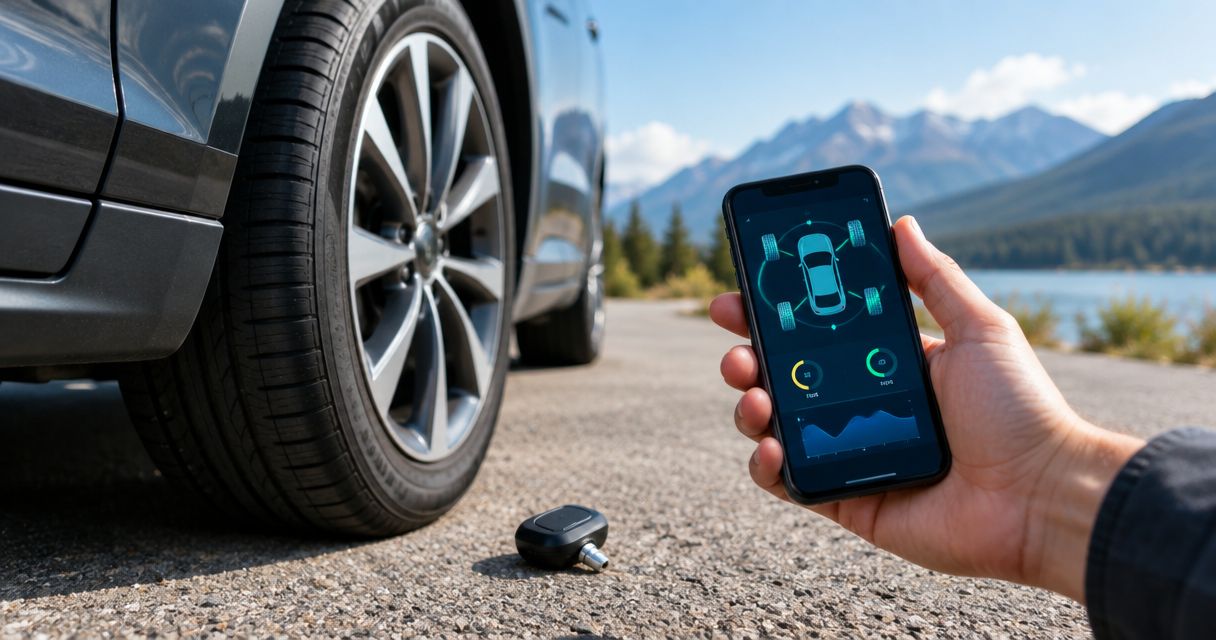
External valve-cap TPMS replaces ordinary valve caps with pressure sensors that communicate with a compatible receiver. It adds direct pressure monitoring without placing sensors inside the tires. Installation still requires checking the valve stems and following the sensor manufacturer's instructions.
This option fits drivers who want a separate pressure display, especially when their existing vehicle system provides only a warning light. It is additional equipment, not a replacement for repairing a factory warning-system fault.
External valve-cap TPMS pros:
- Does not require internal sensor mounting.
- Provides a separate display independent of the dashboard's presentation.
- Keeps sensors accessible for removal and inspection.
External valve-cap TPMS cons:
- Adds weight and exposed hardware to the valve stems.
- Some designs require sensor removal to add air, creating an extra maintenance step.
Best for: Drivers who specifically want an independent pressure display without internal tire installation.
Check whether the sensor batteries are replaceable, whether locking hardware affects access, and whether the sensors suit the installed valve stems. Do not treat an external sensor as an ordinary decorative cap; its fit matters.
Verdict: Buy—choose external valve-cap TPMS when a separate display is the goal and valve compatibility is confirmed.
3. Trailer-capable multi-wheel TPMS: best for towing coverage
Trailer-capable TPMS monitors sensors installed on the wheels included in your towing setup. A suitable system must support the required sensor count, operating pressure range, and communication distance. Some configurations use a repeater to help signals reach the receiver.
The key distinction is coverage. A passenger-car monitor does not automatically support a trailer, and your tow vehicle's factory system does not automatically recognize aftermarket trailer sensors.
Trailer-capable multi-wheel TPMS pros:
- Brings supported trailer-wheel readings into a compatible display.
- Lets you select equipment around the towing configuration.
- Offers a monitoring approach for wheels beyond the tow vehicle's factory coverage.
Trailer-capable multi-wheel TPMS cons:
- Requires checking signal range and repeater requirements.
- Adds sensors and pairing steps as the monitored setup grows.
Best for: Drivers who tow and need pressure information from trailer wheels.
For a towing purchase in 2026, write down the wheels you need monitored before choosing hardware. Check dual-wheel valve access, sensor clearance, and the receiver's supported configurations. More advertised sensor positions are not useful if the system cannot serve your actual setup.
Verdict: Buy—choose trailer-capable TPMS for trailer coverage, after confirming the complete towing configuration.
4. Internal aftermarket direct TPMS: best for an internal retrofit
Internal aftermarket direct TPMS places compatible sensors inside the tires and sends their readings to a dedicated receiver. Unlike external valve-cap sensors, these sensors are not exposed outside the valve. Installation requires tire-service work and attention to the sensor's mounting instructions.
This is a deliberate retrofit choice. It suits a driver who wants independent direct monitoring and accepts the installation and future service requirements.
Internal aftermarket direct TPMS pros:
- Measures pressure directly through internal sensors.
- Keeps sensor hardware inside the wheel-and-tire assembly.
- Provides a dedicated monitoring system when that is the installation goal.
Internal aftermarket direct TPMS cons:
- Requires tire-service work for installation and some sensor repairs.
- Compatibility must cover the sensors, mounting arrangement, and receiver together.
Best for: Drivers planning an internal sensor retrofit rather than a quick external installation.
Coordinate installation with planned tire service when practical, but do not delay a safety-related repair just to combine appointments. Also confirm how the system handles replacement sensors; the original installation is only part of ownership.
Verdict: Buy—choose internal aftermarket TPMS when internal mounting is a specific requirement, not simply because it sounds more advanced.
5. Factory indirect TPMS: best for retaining an existing warning system
Factory indirect TPMS uses information from the vehicle's wheel-speed system to detect behavior consistent with pressure loss. It does not use a pressure sensor inside each tire. Resetting or calibrating the system must follow the vehicle's instructions after pressures are correctly set.
Keeping a functioning indirect system makes sense when your goal is a factory warning rather than an independent pressure display. Its limitation is measurement: check actual pressure with a gauge.
Factory indirect TPMS pros:
- Uses the vehicle's existing warning arrangement.
- Does not require dedicated pressure-sensor batteries inside the tires.
- Avoids adding equipment when the original warning system meets your needs.
Factory indirect TPMS cons:
- Does not directly measure tire pressure.
- Depends on correct calibration and the vehicle's specified operating procedure.
Best for: Drivers with an existing indirect TPMS who want to maintain it correctly.
Never reset the warning simply to make the light disappear. First inspect the tires and set their pressures according to the vehicle's guidance; otherwise, you are treating the warning instead of its cause.
Verdict: Hold—keep functioning factory indirect TPMS; skip it as a substitute for a numerical pressure display.
Check tire pressure before choosing new equipment
A buying decision should follow a pressure check, not replace it. Use this sequence when a warning appears or readings look inconsistent:
- Read the placard. Find the vehicle manufacturer's recommended cold pressure on the vehicle placard or in the owner's manual. The tire sidewall's maximum pressure is not your routine inflation target.
- Check cold tires. NHTSA tire-safety guidance defines cold tires as not driven for at least 3 hours, or driven less than 1 mile at moderate speed.
- Inspect the tires. Look for obvious damage, an unusually low tire, or a damaged valve. Do not continue driving on a visibly flat tire.
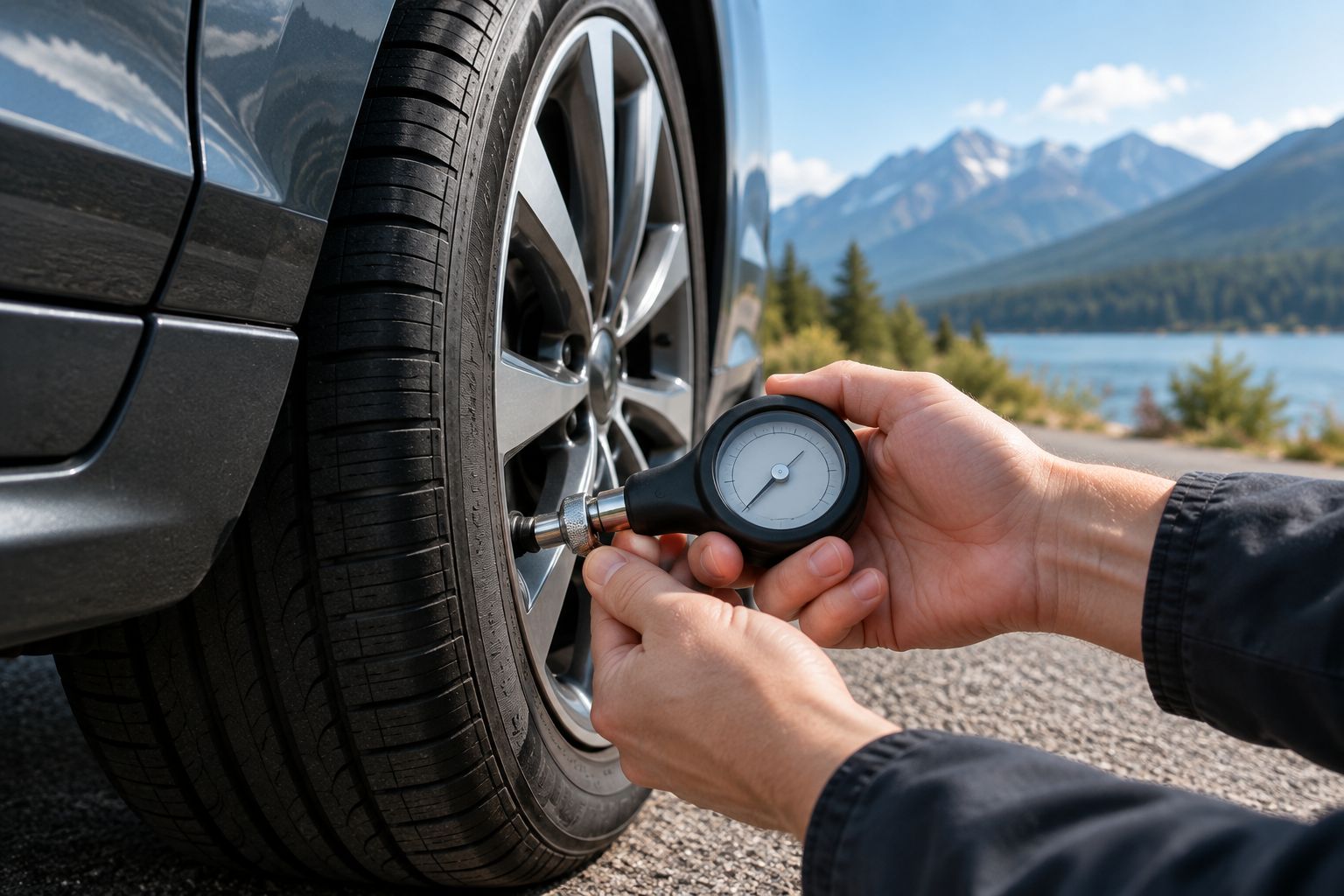
- Measure pressure. Use a tire-pressure gauge and compare each road tire with the applicable recommendation.
- Follow reset instructions. After correcting pressure, follow the vehicle's relearn or calibration instructions. A persistent fault needs investigation.
A manual check also helps distinguish a real pressure problem from a questionable display reading. Record which tire was low and whether it loses pressure again; that information is more useful than describing the warning as random.
A warning light is not an early-maintenance target
For the federal TPMS performance standard, NHTSA's FMVSS No. 138 uses a low-pressure threshold of 25% below the vehicle manufacturer's recommended cold inflation pressure, subject to the standard's minimum activation pressure. That is a warning-system requirement, not permission to run your tires below their recommended pressure.
For your 2026 maintenance routine, use the vehicle placard as the target. Do not wait for the dashboard light before checking tires, and do not inflate every vehicle to the same pressure.
Eliteautorepairit offers auto diagnostics in Kissimmee, FL. When requesting help, describe whether the light stays on, flashes, or appears after tire work, and mention any measured pressure loss. Ask about vehicle-specific TPMS service before arranging the visit.
Discuss your vehicle's warning light
Describe the warning and pressure readings when asking about diagnostics in Kissimmee, FL.
How the systems are ranked
This 2026 ranking prioritizes vehicle compatibility, direct measurement where needed, installation demands, wheel coverage, and serviceability. It is a fit-based comparison of system types, not a claim that every product within one type performs equally.
Factory direct TPMS leads for an already-equipped daily driver because it preserves the existing warning system. External, trailer-capable, and internal retrofit systems each serve a different installation need; indirect TPMS remains useful within its measurement limits.
Which tire pressure monitoring system should you choose?
Keep working factory TPMS unless you have a clear reason to add another system. Choose external sensors for a separate display without internal installation, trailer-capable equipment for towing coverage, and internal aftermarket sensors for a planned internal retrofit.
If the immediate problem is a warning light, start with measured pressures and diagnosis. Eliteautorepairit is an auto repair and diagnostics option in Kissimmee, not a reason to buy monitoring hardware before identifying the problem.
FAQ
What's the best tire pressure monitoring system for a daily driver?
A functioning factory direct TPMS is the default choice for a daily driver already equipped with it. Keep the existing system unless you need a separate display or additional wheel coverage.
Are external tire-pressure sensors better than internal sensors?
External sensors are better for avoiding internal sensor installation; internal sensors are better when you specifically want sensors inside the tires. Check valve compatibility and future service requirements before choosing either type.
Can I install a tire pressure monitoring system myself?
External valve-cap systems are designed for installation without opening the tire, but you must follow their valve-fit and setup instructions. Internal sensors require tire-service work, and factory replacements can require programming or relearning.
Does TPMS replace checking pressure with a gauge?
No, TPMS does not replace manual pressure checks. Use a gauge and the vehicle's recommended cold pressure rather than waiting for a warning light.
What TPMS should I choose for a trailer?
Choose a trailer-capable system that supports your wheel count, pressure range, sensors, and communication distance. Confirm whether the towing configuration requires a repeater.
Why is my tire-pressure light still on after adding air?
A persistent warning requires checking actual pressures and the vehicle's reset or relearn instructions. A leak, incorrect pressure, or system fault needs investigation rather than repeated resets.
Should I replace all my tire-pressure sensors at once?
A warning alone does not justify replacing every sensor. Identify the fault and discuss sensor condition, compatibility, and required tire-service work before approving replacements.
One last thing
A tire-pressure sensor is not a leak repair. If the same tire keeps losing air, have the tire, wheel, and valve inspected instead of repeatedly clearing the warning or changing the monitor. Record the pressure before adding air so the service discussion starts with a useful observation.