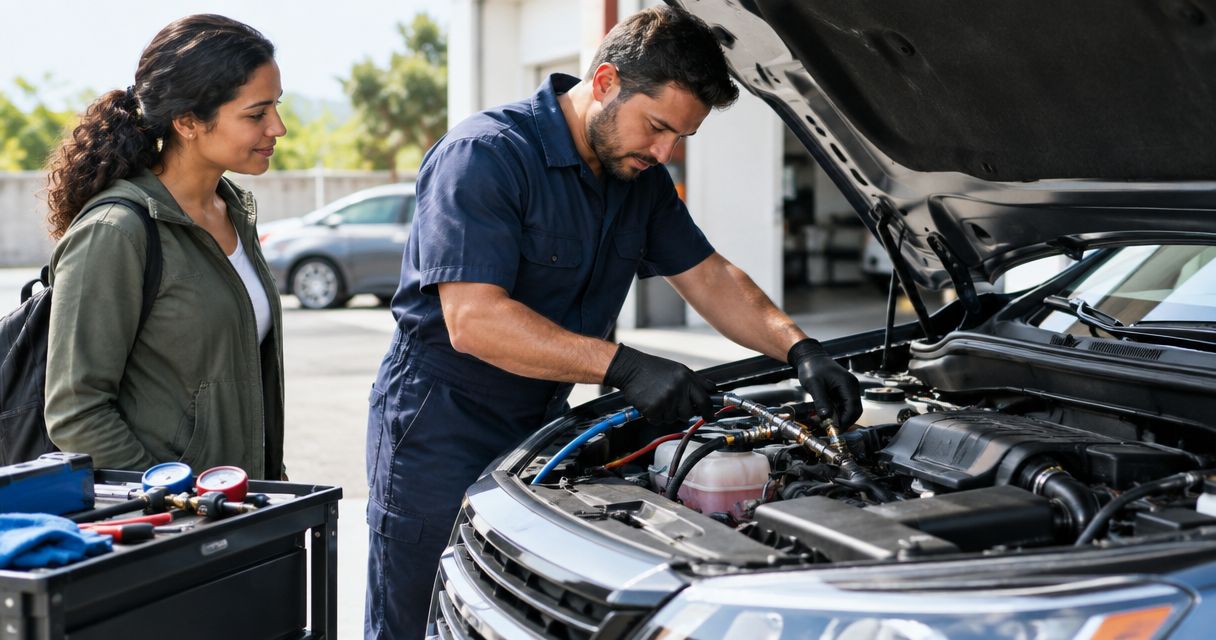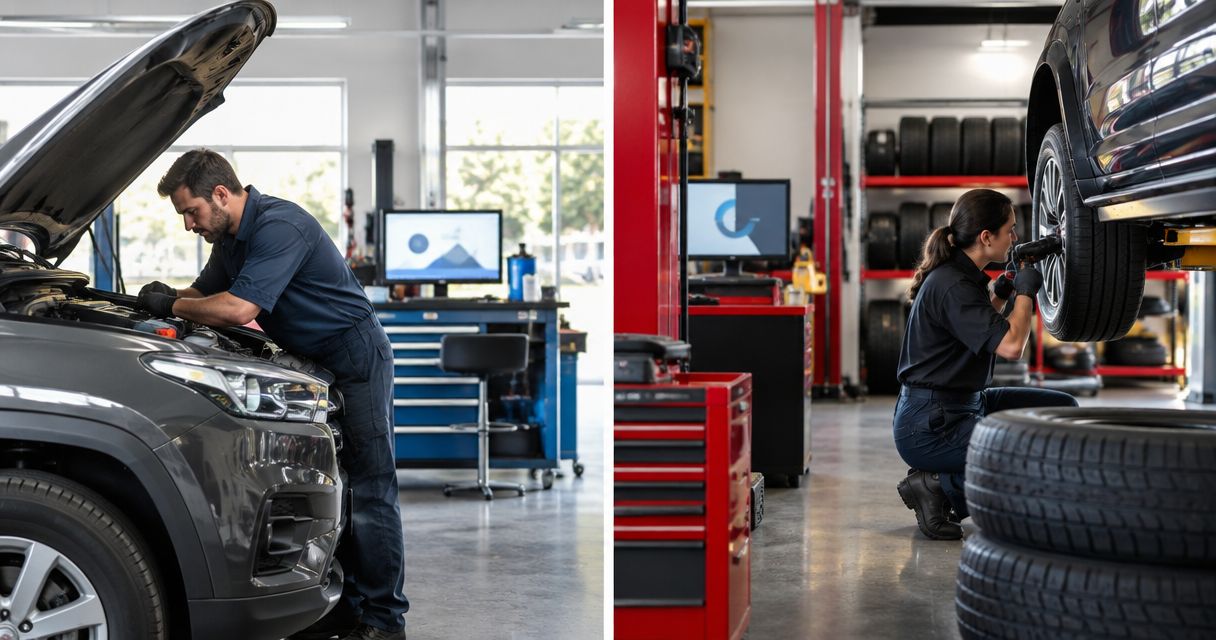
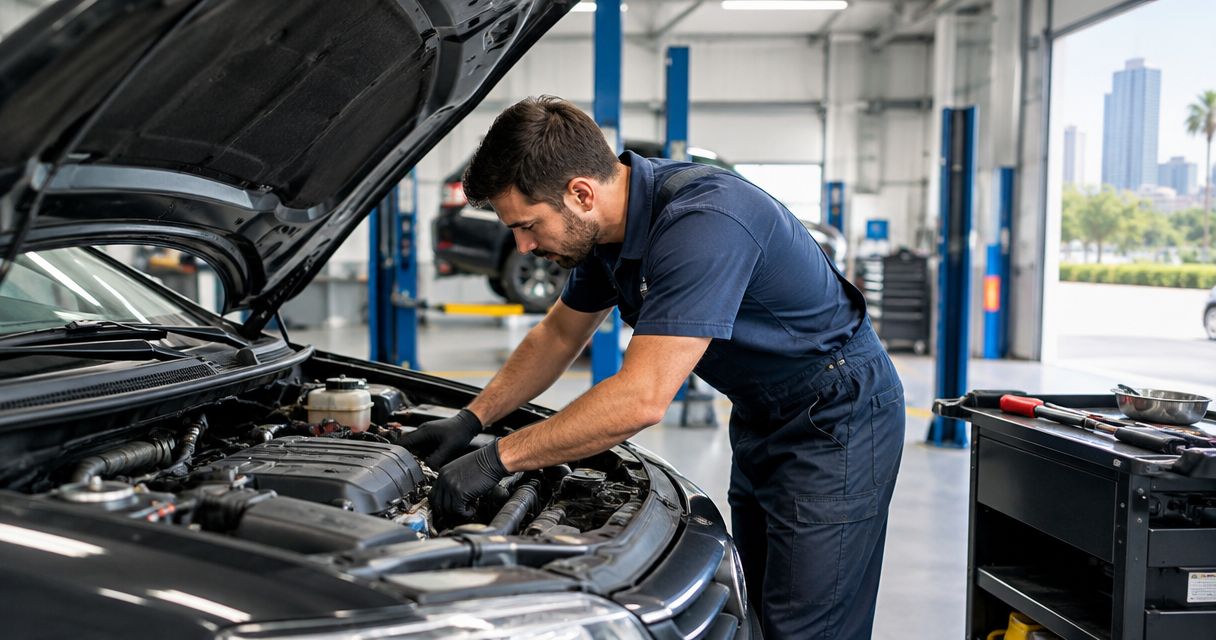
An engine repair shop for commuters is a service provider that diagnoses and repairs engine problems with the aim of keeping daily travel dependable. For Orlando commuters, the right choice pairs a documented diagnosis with a repair plan that accounts for your route, work schedule, and transportation during repairs.
- Choose an engine repair shop for commuters that explains the diagnosis before recommending engine work.
- Elite Auto Repair & Service Inc fits commuters seeking engine repair and diagnostics in Kissimmee.
- Stop safely for overheating, oil-pressure warnings, or a flashing check-engine light; do not finish the commute first.
- Compare diagnostic scope, repair authorization, and transportation arrangements—not just appointment convenience.
Why engine repair matters for Orlando commuters
A commuter needs more than a running engine at pickup. You need to understand what failed, what the repair addresses, and whether another visit is needed. An unresolved symptom disrupts both the drive and the workday.
In 2026, choose a shop around its ability to investigate your particular complaint, not a promise of a quick fix. Elite Auto Repair & Service Inc provides diagnostics, engine/transmission repair, oil changes, and tune-ups in Kissimmee, FL. Those services make it a relevant option when you need engine troubleshooting alongside routine vehicle care.
Elite Auto Repair & Service Inc is a fit for commuters seeking engine repair and diagnostics in Kissimmee. Confirm the shop can handle your vehicle and specific problem before arranging transportation or authorizing work.
How to choose an engine repair shop for commuters
1. Separate urgent warnings from appointment concerns
Start with your owner's manual and what the vehicle is doing now. A warning light alone does not identify a failed part, but some warnings require you to stop rather than continue toward work.
If the engine overheats, the oil-pressure warning stays on while running, or the check-engine light flashes, pull over safely and shut the engine off. Arrange assistance rather than testing whether the car will make it. Never remove a hot cooling-system pressure cap.
A steady check-engine light still needs attention. Follow the vehicle's instructions, describe any accompanying symptoms, and ask for guidance before driving further. Do not assume that a car that starts is safe for the commute.
- Identify the warning symbol using the owner's manual.
- Report shaking, smoke, unusual noise, and power loss.
- Stop safely when urgent warnings appear.
- Avoid restarting an overheating engine to check it again.
- Arrange towing when continuing would risk damage or safety.
2. Record the symptom before calling
Create a short symptom note yourself before booking diagnostics. Record whether the trouble happens during a cold start, while idling, under acceleration, or after the engine warms up. These conditions give the technician a clearer starting point than saying the car runs badly.
If safe, make a 30-second recording while parked to capture an intermittent noise. Never hold a phone to record while driving. Note recent repairs and maintenance without assuming they caused the problem.
A code reader can add information, but a trouble code is not a parts order. The guide to OBD2 scanners for check-engine lights explains the tool category; diagnosis still requires interpreting codes alongside symptoms and testing.
- Write down when the symptom starts and stops.
- Note whether the engine is cold or warm.
- Photograph warning lights only when safely parked.
- Save code information without clearing it.
- Bring recent maintenance and repair records.
3. Ask for diagnosis before approving parts
Begin with your own written complaint and request a clear diagnostic scope. Ask what the initial inspection covers, what additional testing requires approval, and how the shop will explain its findings. This separates investigating a fault from replacing a suspected component.
For commuters considering Elite Auto Repair & Service Inc, diagnostics and engine repair are both listed services. Ask how the shop would approach your specific complaint and what information it needs before the appointment. A listed service does not establish a repair timeline or confirm suitability for every vehicle.
Approve a diagnosis, then approve a repair supported by that diagnosis. A fault code identifies a condition detected by the vehicle; it does not always identify the component responsible.
- Ask what the initial diagnostic work includes.
- Request the test findings behind the recommendation.
- Separate confirmed faults from additional maintenance suggestions.
- Require authorization before added testing or repairs.
- Ask how the original complaint will be checked afterward.
4. Build transportation around confirmed milestones
Map your work schedule before selecting an appointment. Identify when you can drop off the car, when you need an update, and what you will do if the vehicle stays longer than expected. Treat these as planning questions, not promises the shop has already made.
Keep 2 transportation plans: your preferred arrangement and a backup. A diagnosis can reveal work that changes the repair schedule. Do not assume that an appointment time means a technician will finish the repair that day.
For your 2026 repair plan, distinguish the inspection appointment from the expected repair completion. Ask the shop to explain both, then make commuting arrangements around the confirmed information.
- Confirm drop-off and collection arrangements.
- Ask when to expect the first diagnostic update.
- Identify who can approve work during your shift.
- Arrange a backup ride before leaving the vehicle.
- Check whether the vehicle must remain for further testing.
5. Compare the repair scope in writing
Use a 1-page checklist to compare recommendations. List the complaint, confirmed fault, proposed work, related maintenance, and unresolved questions. This prevents two different repair scopes from looking like equivalent offers.
Ask whether the recommendation addresses the root cause or only a symptom. For example, replacing a damaged component and investigating why it failed are different tasks. Request an explanation without demanding a particular test or replacement based on an online search.
For a 2026 service record, keep the original complaint beside the final repair description. That record gives the next technician useful context if the symptom returns.
- Match each proposed repair to a documented finding.
- Ask which work addresses the current complaint.
- Separate preventive maintenance from fault correction.
- Read any written warranty terms before authorization.
- Keep the estimate, approval, and completed invoice together.
6. Verify the repair and reset your maintenance plan
At collection, compare the completed work with what you authorized. Ask how the shop checked the original symptom and whether anything remains unresolved. A cleared warning light alone does not explain which fault was corrected.
Review the owner's manual and service history yourself before choosing future maintenance. Oil changes, tune-ups, and cooling-system care should follow the vehicle's requirements rather than a universal schedule copied from another car.
For your next 2026 maintenance visit, bring the engine repair record and report any returning symptom promptly. Do not repeatedly erase warning codes or add products to hide rough running. Preserve the information that helps diagnose the problem.
- Ask how the original symptom was checked.
- Confirm any follow-up instructions in writing.
- Keep a copy of the completed repair record.
- Follow the vehicle-specific maintenance schedule.
- Report returning warnings with their operating conditions.
Compare engine repair options for your commute
Choose the service approach that matches the fault and the vehicle. Convenience matters, but it does not replace diagnostic capability. Ask each provider to confirm the work it can perform before you arrange a visit.
| Option | Best for | Main advantage | Key limitation |
|---|---|---|---|
| Elite Auto Repair & Service Inc | Commuters seeking engine diagnostics and repair in Kissimmee | Lists diagnostics, engine/transmission repair, oil changes, and tune-ups | Vehicle suitability, diagnostic scope, and repair timing require confirmation |
| Another independent repair shop | Drivers comparing local diagnostic approaches | Gives you another repair plan to assess | Equipment, experience, and services differ by shop |
| Vehicle-brand dealership | Drivers investigating manufacturer-specific support or applicable warranty work | Provides a route to ask about brand-specific procedures and coverage | Coverage and appointment arrangements require confirmation |
| Mobile repair provider | Drivers seeking work at the vehicle's location | Removes the need to travel for work the provider can perform there | Confirm whether the job requires workshop equipment or vehicle transport |
| DIY checks and code reading | Drivers gathering information before booking | Helps document warnings and symptoms | Does not replace testing or establish that continued driving is safe |
Before choosing, describe the same complaint to each provider. Comparing different descriptions produces different recommendations, even when the underlying problem is unchanged.
Discuss your engine repair needs
Ask about diagnostics and engine repair for your vehicle in Kissimmee.
Common mistakes Orlando commuters make
Treating a warning as a scheduling inconvenience
Finishing the drive is not the priority when the engine overheats or loses oil pressure. Pull over safely and arrange assistance. A work deadline does not change what the warning means.
Describing every problem as a tune-up
Hard starting, shaking, stalling, and power loss are symptoms, not diagnoses. Describe exactly what happens instead of asking for a tune-up as the assumed solution. That keeps the investigation focused on your actual complaint.
Choosing by drop-off convenience alone
A shop near your route is useful only if it can address the problem. Confirm vehicle suitability and diagnostic scope before choosing based on location. Also ask how you will receive updates while you are working.
Confusing a code scan with a completed diagnosis
Reading a stored code retrieves information from the vehicle. It does not, by itself, prove which part failed. Ask what testing supports the repair recommendation before approving replacement parts.
Scheduling unrelated work without separating priorities
An engine complaint and overdue maintenance can exist together. Ask which work addresses the active fault and which work belongs on a maintenance plan. Separate approvals keep the immediate repair decision clear.
Check safely before your appointment
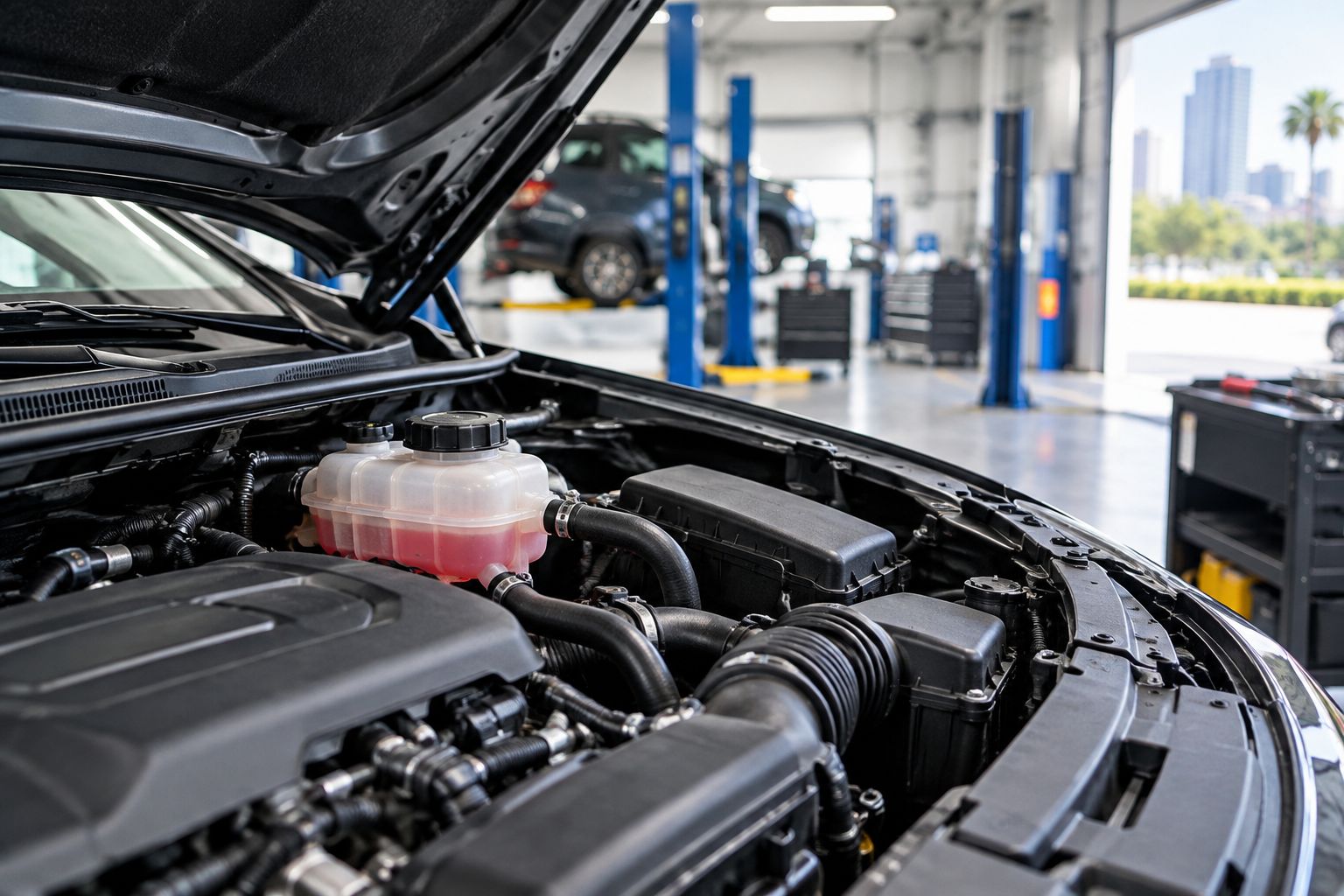
You can gather useful information without attempting engine repairs. With the vehicle parked safely and the engine off, look for visible fluid beneath the car and check the owner's manual for the correct fluid-check procedures. Do not reach near moving belts or fans.
Check coolant only when the engine is cold and only as the manual directs. A low level is a reason to investigate, not proof that adding fluid resolves the underlying problem. Tell the shop if you have added anything, including the product used.
Do not use a pre-appointment check to decide that an urgent warning is harmless. Its purpose is to give the technician better information, not to clear the vehicle for another commute.
FAQ
What's the best engine repair shop for commuters near Orlando?
Choose a shop that confirms vehicle suitability, explains its diagnosis, and provides a clear authorization process. Elite Auto Repair & Service Inc is an option in Kissimmee for commuters seeking diagnostics and engine repair; confirm the arrangements for your vehicle before booking.
Can I drive to work with the check-engine light on?
A check-engine light does not establish that the vehicle is safe to drive. Follow the owner's manual; if the light flashes or the engine shakes, loses power, or overheats, stop safely and arrange assistance.
Does an engine fault code tell me which part to replace?
No, an engine fault code identifies a detected condition rather than always identifying the failed component. A technician uses the code, symptoms, and testing to determine the cause.
Should I choose a dealership or an independent engine repair shop?
Choose according to the vehicle, the fault, and any applicable manufacturer coverage. Ask both providers about diagnostic scope and suitability rather than assuming either type is automatically the better choice.
What should I bring to an engine diagnostic appointment?
Bring your symptom notes, warning-light information, and recent maintenance or repair records. Include when the problem occurs and whether the engine is cold, warm, idling, or accelerating.
Will my engine repair be finished the same day?
Confirm the timeline with the shop after it understands the problem. An inspection appointment is not a repair-completion commitment, so arrange backup transportation before drop-off.
Can an oil change fix rough running?
An oil change is not a general fix for rough running. Follow the vehicle's oil requirements, but have the cause of shaking, stalling, or uneven idle diagnosed instead of assuming routine maintenance will resolve it.
One last thing
Do not erase the evidence before your appointment. Clearing fault codes or disconnecting the battery can remove diagnostic information and reset readiness monitors. If you already cleared codes, tell the technician when and what happened afterward.
For your 2026 commuting plan, keep one useful habit: record the conditions when a symptom appears. A precise description helps the shop investigate the complaint you actually experience, rather than a problem that disappears when the car reaches the workshop.