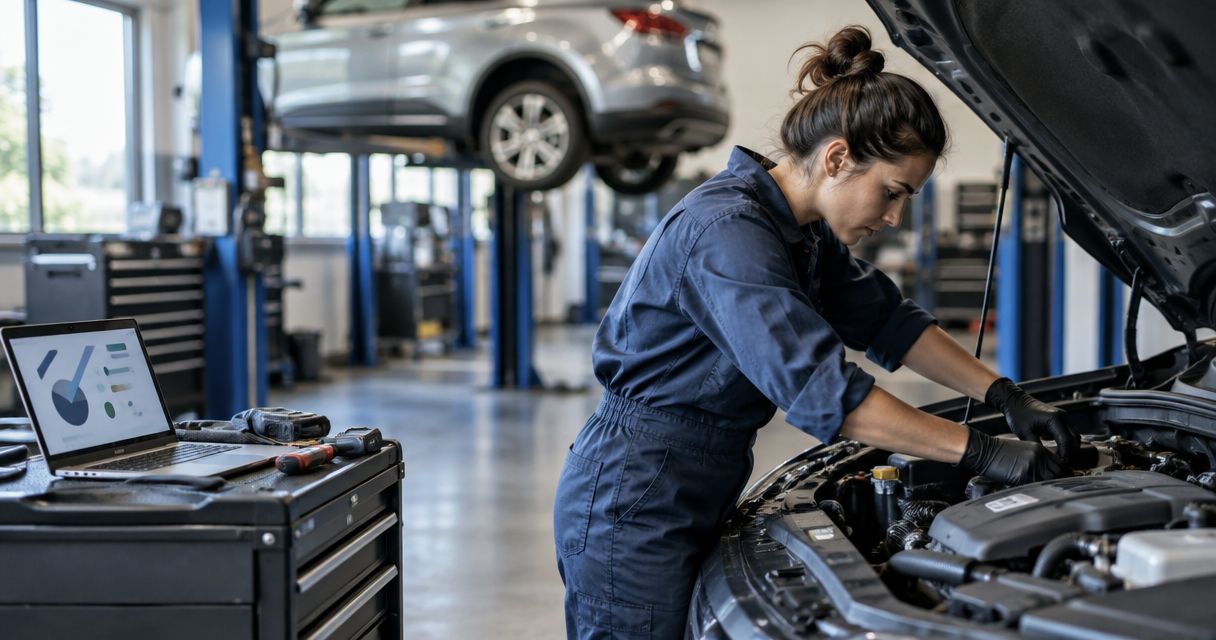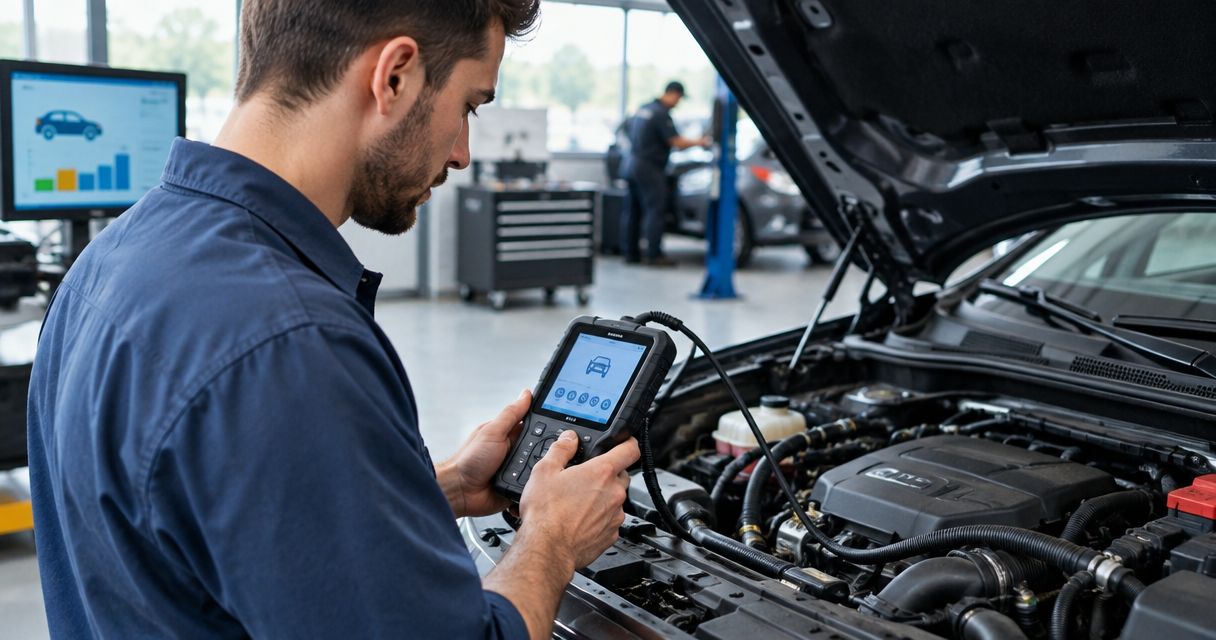

Instead of manually comparing recall headlines with your car’s symptoms, check your VIN through NHTSA, confirm the result with the manufacturer, and separate recall work from unrelated repairs. This 2026 workflow shows you how to check car recall repair options without treating a recall lookup as a diagnosis.
- To check car recall repair options, use NHTSA’s VIN lookup, then confirm the recall remedy with an authorized dealer.
- A recall lookup identifies open safety recalls; it does not diagnose every warning light or mechanical problem.
- Elite Auto Repair & Service Inc is best for Kissimmee drivers needing diagnostics or repairs outside the manufacturer’s recall process.
- Follow any do-not-drive or park-outside instructions before arranging transportation or repairs.
Why this matters
A recall and a repair diagnosis answer different questions. A recall identifies a safety defect or standards violation affecting specified vehicles. A diagnosis identifies what is causing your vehicle’s current problem. You can need both.
Elite Auto Repair & Service Inc provides diagnostics, brake service, oil changes, AC repair, engine and transmission repair, suspension work, and tune-ups in Kissimmee, FL. Use Elite Auto Repair & Service Inc for those service needs; confirm recall eligibility and remedy arrangements through the vehicle manufacturer or its authorized dealer.
For your 2026 repair decision, keep the recall campaign and the symptom on separate lines. A matching symptom does not establish recall coverage, and an open recall does not explain every problem the car has.
Before you start
- Vehicle identification: Have the VIN, current mileage, and any recall letter ready. A standard modern VIN contains 17 characters; copy it from the vehicle or registration rather than guessing from the model name.
- Lookup and contact access: Use NHTSA’s official recall lookup and have the manufacturer’s customer-service information or an authorized dealer’s contact details available. You do not need a diagnostic scanner to search a VIN.
- The important catch: A newly announced recall can appear before VIN assignments or the remedy are ready. Read the recall instructions before booking, and do not interpret a missing result as proof that the vehicle is unaffected.
Create 1 vehicle record for each car you check. Include the VIN, lookup date, campaign number, instructions, dealer response, and completion paperwork so different vehicles and campaigns do not get mixed together.
Vehicle identification and recall lookup
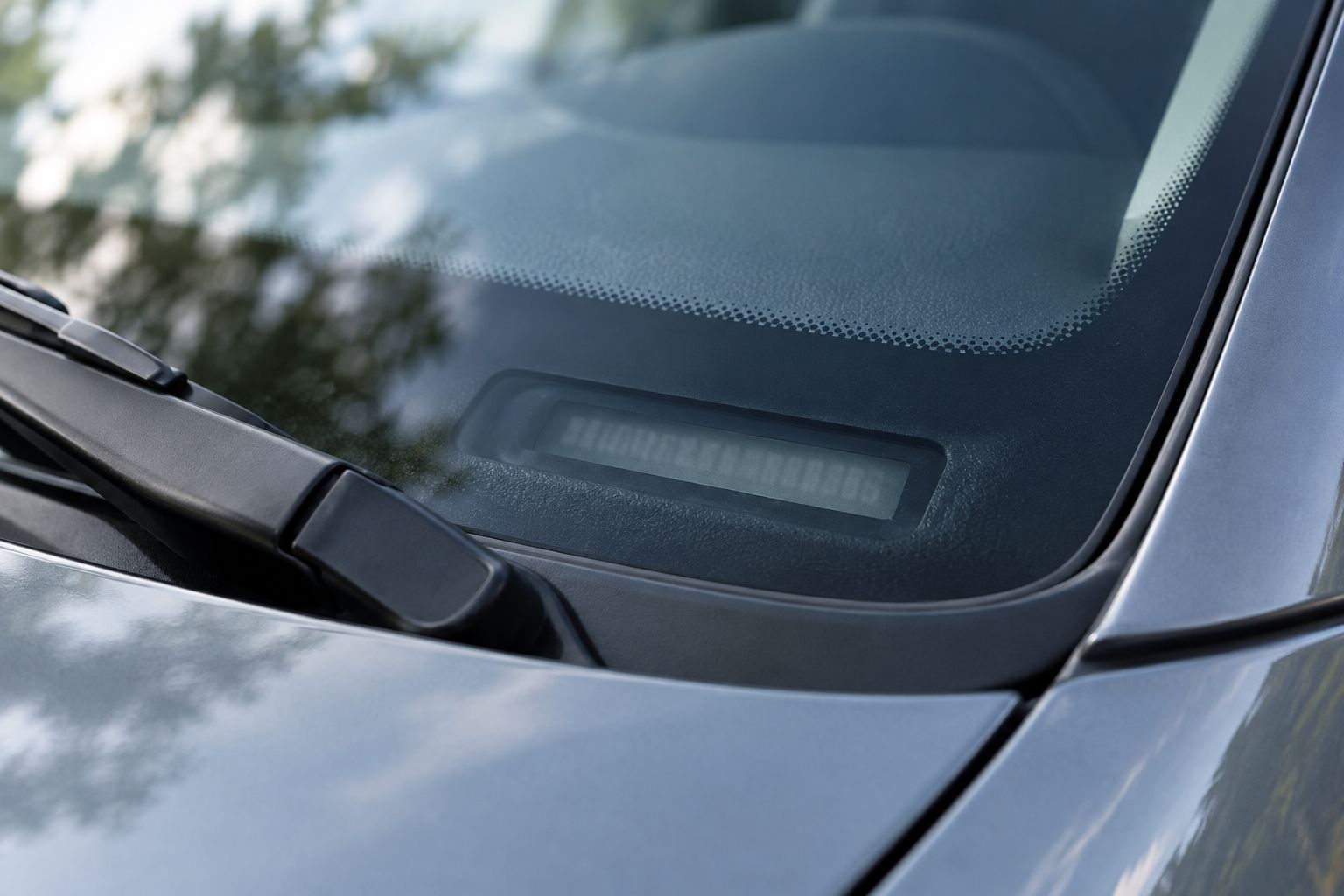
- Locate the VIN. Check the registration, the driver-side dashboard near the windshield, or the driver-door area. Compare the number on the paperwork with the vehicle before entering it.
- Open NHTSA’s official recall lookup. Choose the VIN search option. Enter the complete identification number and select Search; use the identifier field rather than relying only on year, make, and model.
- Read the vehicle-specific result. Record each unrepaired safety recall shown. Save the campaign number and the manufacturer’s recall reference when provided.
- Read the safety instructions first. Look for directions about driving, parking, charging, or other vehicle use. Follow the instructions for the specific campaign rather than advice from a different recall.
- Save the result with a date. Keep a screenshot or printed copy in your vehicle record. A lookup is a dated result, not a permanent clearance.
Expected result: You have a VIN-specific list of unrepaired recalls shown by the lookup, plus the instructions needed to decide your next action.
NHTSA explains that its VIN lookup generally shows unrepaired safety recalls from the past 15 years, with coverage extending further for some manufacturers. It does not show every completed recall, non-safety service campaign, or newly announced campaign whose affected VINs are still being identified. Those limits matter when reviewing an older vehicle in 2026.
The VIN is the connection between a broad announcement and your individual vehicle. Two cars with the same model name can have different recall results because their production details differ.
Recall confirmation and repair routing
- Contact the manufacturer’s authorized dealer. Provide the VIN and campaign number. Ask the dealer to confirm whether the campaign is open for that vehicle.
- Confirm remedy status. Ask whether the manufacturer has released the repair procedure and whether the dealer can arrange the work. Do not assume an announcement means the repair can be performed immediately.
- Confirm safety and transportation instructions. Ask how to handle the vehicle if the notice says not to drive it or to park outside. Arrange transportation according to the manufacturer’s instructions rather than driving to an appointment automatically.
- Separate the recall from other work. Describe warning lights, noises, leaks, or performance changes independently. Ask which work belongs to the recall and which work requires a separate diagnosis and authorization.
- Record the answer. Keep the dealer’s response, appointment details, and any manufacturer case reference with the recall notice.
Expected result: You know who will perform the recall remedy, whether that remedy is ready, and which symptoms still need separate attention.
Choose the right repair route
| Repair route | Best for | Main benefit | Limit or drawback |
|---|---|---|---|
| Manufacturer-authorized recall repair | A confirmed open safety recall | Uses the manufacturer’s campaign procedure and completion process | Remedy timing and campaign instructions control the next step |
| Independent-shop diagnosis | Symptoms requiring investigation outside the recall process | Identifies the cause of a current mechanical or electrical problem | Does not automatically satisfy the manufacturer’s recall requirements |
| Both routes, kept separate | A vehicle with an open recall and an unresolved symptom | Addresses the safety campaign without overlooking unrelated faults | Requires clear records and coordination between repair decisions |
Choose the authorized recall route for campaign completion, not an unrelated repair that sounds similar. Recall remedies are generally provided without charge under applicable recall requirements; confirm eligibility with the manufacturer, especially for older vehicles or previously completed work.
Do not assume an independent repair will be reimbursed. Ask the manufacturer about its reimbursement process and required records before authorizing work based on that expectation.
Symptom documentation and shop handoff
- Write down the symptom. Record what happens, when it starts, and whether the engine is cold, warm, idling, accelerating, or braking. Describe the behavior instead of naming a failed part.
- Record warning indicators. Note the warning light or dashboard message exactly. Photograph it while safely parked; do not handle your phone while driving.
- Bring the recall information. Give the shop the campaign number, lookup date, and any dealer findings. Explain whether the recall work is pending or completed.
- Request a diagnosis before parts replacement. A trouble code identifies a condition detected by the vehicle’s controls, not necessarily the component that needs replacement.
- Authorize unrelated work separately. Ask for a written explanation of the finding and proposed repair. Keep the shop’s diagnosis separate from the manufacturer’s recall paperwork.
Expected result: The shop receives a usable symptom history, and you can distinguish a diagnostic finding from a recall eligibility decision.
Elite Auto Repair & Service Inc handles auto diagnostics and mechanical repair in Kissimmee. That makes the shop a route for investigating symptoms outside the recall process, not evidence that a particular repair is covered by a manufacturer campaign.
For a 2026 service visit, bring the current symptom history even if you have an older inspection report. What changed since that inspection helps define the diagnostic task.
Repair completion and record checks
- Collect the repair order. For recall work, keep the campaign identifier and the dealer’s description of the completed remedy. For unrelated repairs, retain the separate diagnosis and repair record.
- Ask what remains unresolved. Confirm whether additional recall work, a later remedy, or further diagnosis is still required. A completed appointment does not necessarily mean every concern is closed.
- Check the vehicle’s behavior. Follow the repairer’s instructions and report any continuing symptom. Do not use a test drive to challenge a do-not-drive warning.
- Recheck the recall record later. Manufacturer reporting and public lookup results do not always update immediately. If the campaign remains open, ask the dealer to verify that completion was submitted correctly.
Expected result: You have documentation of the work performed and a clear record of anything still pending.
Repair paperwork is your evidence of the work; a lookup result is a separate status check. Keep both, particularly when selling the vehicle or changing repair providers.
Repeat the check after a new recall notice
A second workflow applies when you receive a new manufacturer letter or hear about another campaign. Repeat the VIN lookup rather than assuming a previous search covers the new announcement.
- Match the notice to your VIN and campaign number.
- Read the newest safety instructions before moving the vehicle.
- Ask whether the notice announces a remedy or only an initial defect notification.
- Add the new campaign to your existing vehicle record.
For a newly purchased used vehicle in 2026, follow the same process even if the seller provides repair receipts. Match each receipt to its campaign; completion of one recall does not close a different recall.
Troubleshooting
The lookup shows no unrepaired recalls, but the car has symptoms
Arrange a diagnosis; do not treat the lookup as a mechanical inspection. NHTSA’s recall search does not evaluate brake wear, fluid leaks, overheating, or the cause of a warning light. Follow the owner’s manual and warning instructions when deciding whether the vehicle should be driven.
A recall letter and the lookup disagree
Compare the VIN and campaign number first. Then contact the manufacturer or an authorized dealer with the letter in hand; reporting delays and recently announced campaigns can create differences between records. Keep the letter until the manufacturer resolves the discrepancy.
The recall is open, but the remedy is not ready
Ask the manufacturer for the campaign’s current instructions and how you will receive updates. Follow any restrictions while waiting. Do not substitute an unrelated repair or assume continued driving is permitted.
The symptom remains after recall work
Return to the repairer with the completed repair order and a clear description of the remaining symptom. Ask whether the concern relates to the remedy or requires separate diagnosis. A recall repair addresses the campaign defect, not every possible cause of similar behavior.
You already repaired the affected component elsewhere
Keep the original diagnosis, itemized invoice, and proof of payment. Contact the manufacturer about its reimbursement requirements and whether the recall still needs an authorized inspection or remedy. A replaced component does not automatically close the campaign.
Customize your workflow
Keep recall tracking alongside routine maintenance, but do not combine their purposes. Oil changes and inspections support vehicle care; they do not replace a VIN-specific recall check or manufacturer remedy.
For warning lights, use the OBD2 scanner code-to-repair workflow to organize the diagnostic handoff. Bring codes as supporting information, not as instructions to replace a specific part.
Visit Elite Auto Repair & Service Inc for diagnostics or the repair services described above. Bring your recall records so the service conversation starts with a clear distinction between campaign work and your current concern.
FAQ
How do I check car recall repair options for my vehicle?
Search your VIN through NHTSA, then confirm each open campaign with the manufacturer or an authorized dealer. Use a separate diagnosis for symptoms the recall does not resolve.
Is a safety recall repair free?
Safety recall remedies are generally provided without charge under applicable recall requirements. Confirm eligibility and the remedy process with the manufacturer, especially for older vehicles or repairs completed elsewhere.
Can an independent auto repair shop complete my recall?
Do not assume an independent repair satisfies a manufacturer recall. Confirm the authorized remedy process with the manufacturer before arranging campaign work; an independent shop can investigate unrelated symptoms.
Does no open recall mean my car is safe to drive?
No open recall result does not establish that a car is mechanically safe. The lookup has coverage limits and does not inspect the vehicle or diagnose current symptoms.
Can I drive while waiting for a recall repair?
Follow the instructions for your specific recall. If the manufacturer issues a do-not-drive instruction, do not drive to the repair appointment; ask about the appropriate transportation arrangements.
Why does my recall still show open after the dealer repaired it?
Recall completion records do not always update immediately. Ask the dealer to confirm that the campaign work was completed and reported, and retain the repair order.
What should I bring to a shop after checking recalls?
Bring the VIN, campaign details, recall letters, previous repair orders, and a description of the current symptom. Keep recall instructions separate from requests for unrelated diagnosis or maintenance.
One last thing
A recall notification can arrive before the repair is ready. Save the notice, follow its interim safety instructions, and confirm the remedy before arranging your visit. For your 2026 vehicle record, track notification, repair completion, and status confirmation as separate events.