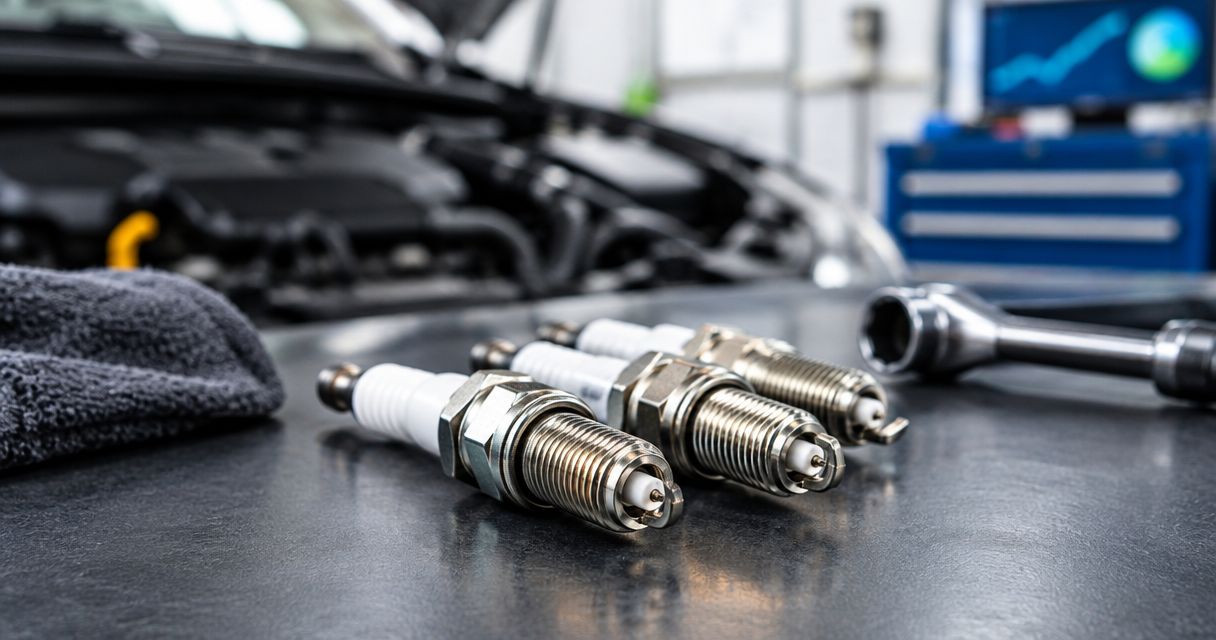
Best overall: the manufacturer-specified spark plug. Best for factory-iridium engines: the correct iridium replacement. Best for specified waste-spark applications: double platinum. Best for engines designed around conventional plugs: the specified nickel-alloy plug. The best spark plugs for fuel efficiency in 2026 restore reliable ignition; an electrode-material upgrade alone does not establish a fuel-economy gain.
- The best spark plugs for fuel efficiency match your engine’s original specification, not a universal material ranking.
- Iridium spark plugs suit engines that specify iridium; double platinum suits applications that specify double platinum.
- Conventional nickel-alloy plugs remain the right choice when your vehicle manufacturer specifies them.
- Eliteautorepairit is best for Kissimmee drivers seeking diagnostics before replacing spark plugs for poor fuel economy.
Why this matters
Worn or fouled spark plugs can contribute to misfires and poor running. Replacing them addresses an ignition problem, but installing a different electrode material does not prove that a healthy engine will use less fuel. Correct fitment comes before any fuel-efficiency claim.
If your mileage has dropped, start with the cause rather than a shopping list. Eliteautorepairit offers diagnostics and tune-ups in Kissimmee, FL, alongside engine repair and routine maintenance. Diagnostics help separate a spark-plug problem from other causes of rough running or increased fuel use.
For a 2026 replacement decision, use your vehicle’s maintenance information and a current application catalog. Engine variant matters: two vehicles with the same model name do not necessarily use the same plugs.
What makes the best spark plugs for fuel efficiency?
Use these criteria before comparing electrode materials:
- Exact application: Match the vehicle, engine and specified plug application. A plug that threads into the cylinder head is not automatically suitable.
- Correct dimensions: Thread size, reach, seat design and electrode projection must match the engine’s requirements.
- Specified heat range: Heat range describes how a plug transfers heat. It is not a ranking of spark strength or fuel savings.
- Correct electrode design: Choose the specified material and firing-end design, particularly when the ignition system requires wear protection on both electrodes.
- Correct gap and installation: Follow the vehicle and plug manufacturer’s instructions. Do not assume every replacement arrives ready for your application.
- Evidence of a repair need: Replacement makes sense when plugs are due for service or inspection identifies a problem. Poor mileage alone does not identify the faulty part.
The strongest 2026 buying rule is simple: select the exact application first, then compare suitable replacements. Do not reverse that order because a package advertises a more advanced material.
Spark-plug choices at a glance
These are replacement strategies, not four interchangeable products. The original-specification choice is the default; the remaining entries explain when particular electrode types belong in that choice.
| Rank and choice | Best for | Standout feature | Key limitation |
|---|---|---|---|
| 1. Manufacturer-specified replacement | Drivers unsure which plug type their engine needs | Matches the engine’s documented requirements | Requires exact engine identification and current fitment information |
| 2. Application-matched iridium | Engines originally specified for iridium plugs | Wear-resistant center-electrode material | Iridium alone does not establish compatibility or better mileage |
| 3. Application-matched double platinum | Waste-spark engines specifying double platinum | Platinum wear surfaces on both firing electrodes | Not every waste-spark engine requires this material |
| 4. Specified nickel-alloy plug | Engines designed for conventional plugs | Retains the specified conventional electrode design | Requires attention to the vehicle’s replacement schedule |
1. Manufacturer-specified replacement: best for a dependable default
A manufacturer-specified spark plug matches the engine’s required dimensions, heat range, electrode design and gap instructions. This is the right starting point whether the specified plug uses iridium, platinum or a conventional nickel-alloy electrode.
Choose this route when you want a dependable replacement without experimenting with the ignition system. The correct specification matters more than an appealing material name on the box.
Manufacturer-specified replacement pros:
- Keeps the replacement decision tied to the engine’s requirements.
- Accounts for fitment details beyond thread size.
- Avoids treating electrode material as a universal upgrade.
- Provides a clear reference for checking aftermarket alternatives.
Manufacturer-specified replacement cons:
- Model name alone is not enough to confirm the application.
- Catalog substitutions require checking the complete specification.
- Correct plugs will not repair unrelated ignition, fueling or mechanical faults.
Best for: Drivers who want the safest starting point for a replacement decision, especially when the previous service history is unclear.
Before ordering, identify the engine and check the specified replacement. If the plugs already installed differ from the catalog recommendation, do not assume the installed set is correct merely because the vehicle runs.
Verdict: Buy the manufacturer-specified replacement when service is due or diagnosis supports replacement. Skip unspecified substitutions.
2. Application-matched iridium: best for factory-iridium engines
Iridium is a wear-resistant electrode material used in many spark-plug designs. Some iridium plugs use a fine-wire center electrode, but the complete design still determines whether the plug suits your engine.
For a factory-iridium application, choose an approved replacement rather than changing to a conventional plug solely because it fits. Retaining the specified design keeps the service decision aligned with the engine’s requirements.
Application-matched iridium pros:
- Uses a wear-resistant center-electrode material.
- Preserves the specified design in factory-iridium applications.
- Offers a suitable replacement route when the exact application is confirmed.
Application-matched iridium cons:
- The word iridium does not confirm heat range, reach or gap.
- Iridium does not guarantee lower fuel consumption than healthy, correct plugs.
- Fine-wire electrodes require care during inspection and gap adjustment.
Best for: Drivers whose vehicle documentation or verified application catalog specifies iridium spark plugs.
In 2026, treat iridium as a specification choice, not a mileage promise. A correct iridium replacement can address worn plugs; it does not correct a weak ignition coil, an air leak or another unresolved engine fault.
Do not press a gap tool against a delicate center electrode. Follow the instructions for the exact plug, including whether adjustment is permitted and how to perform it.
Verdict: Buy application-matched iridium for engines that specify it. Skip an iridium conversion justified only by fuel-saving claims.
3. Application-matched double platinum: best for specified waste-spark engines
Double-platinum spark plugs have platinum wear surfaces on both the center and ground electrodes. That design is relevant to waste-spark ignition systems, where paired plugs fire with opposite electrical polarity.
A four-stroke engine completes its operating cycle over 720 degrees of crankshaft rotation, or 2 crankshaft revolutions. In a conventional waste-spark arrangement, each paired plug fires every 360 degrees of crankshaft rotation: one cylinder receives its compression-stroke spark while its paired cylinder receives an exhaust-stroke spark.
This ignition arrangement explains why wear protection on both electrodes matters in applications that specify it. It does not mean every waste-spark engine uses the same plug material.
Application-matched double platinum pros:
- Places platinum wear surfaces on both firing electrodes.
- Retains the specified design in applicable waste-spark engines.
- Avoids substituting a single-platinum design where double platinum is required.
Application-matched double platinum cons:
- Double platinum is not automatically better than the correct iridium plug.
- Ignition-system type alone does not establish the exact application.
- New plugs cannot repair a faulty coil or damaged ignition wiring.
Best for: Drivers whose waste-spark engine specifically calls for double-platinum spark plugs.
Check the replacement catalog carefully rather than selecting any box marked platinum. Single-platinum and double-platinum designs are not interchangeable by name alone.
Verdict: Buy double platinum when the application specifies it. Hold the purchase until fitment is confirmed if the recommendation is unclear.
4. Specified nickel-alloy plug: best for conventional-plug engines
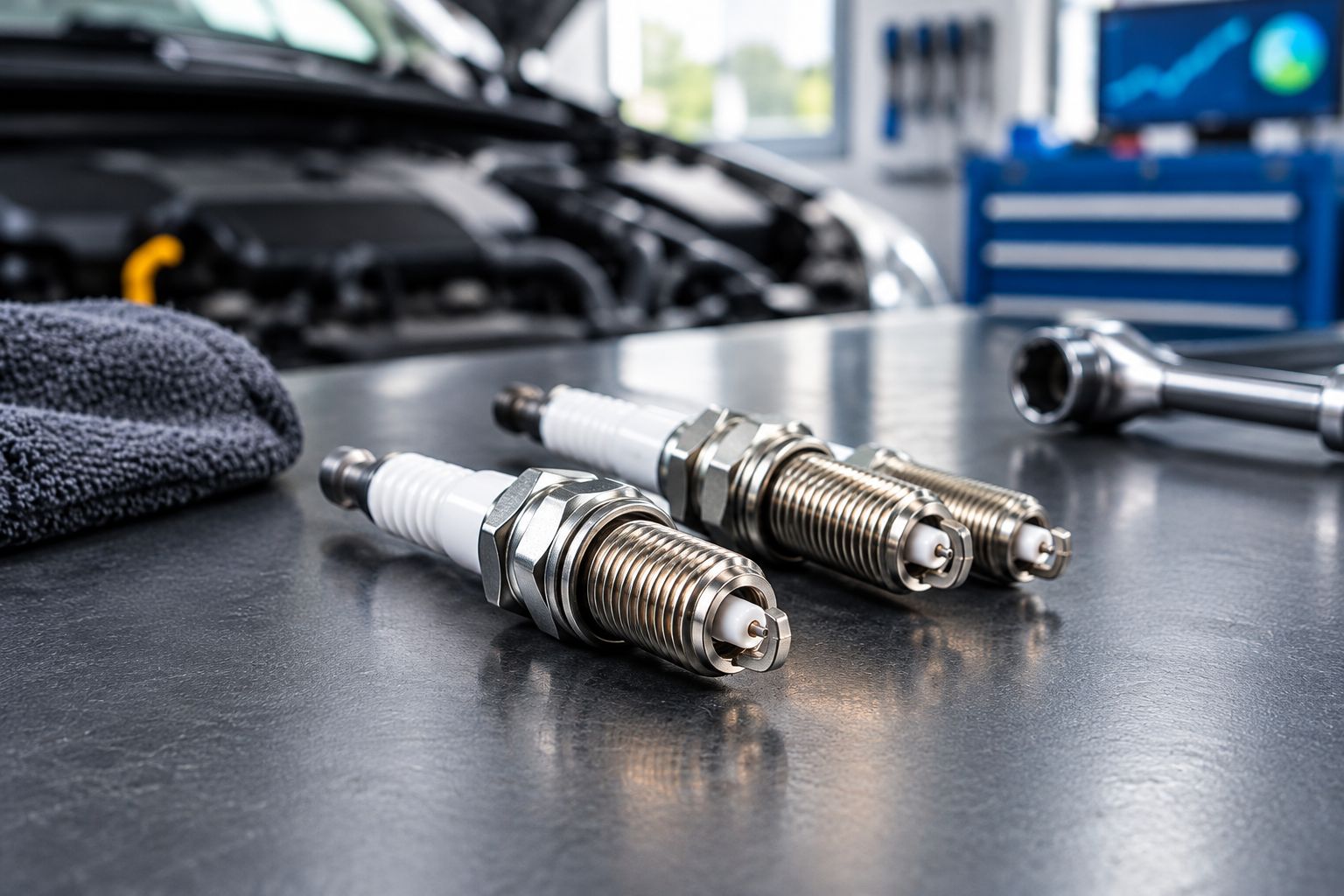
Conventional spark plugs commonly use a nickel-alloy firing electrode and a copper core that helps conduct heat. The copper core does not mean the exposed firing tip is made from copper.
These plugs remain a valid choice when your engine specifies them. Replacing a worn conventional plug with the correct new conventional plug is a repair; changing material without checking compatibility is an experiment.
Specified nickel-alloy plug pros:
- Retains the conventional design specified for the engine.
- Avoids an unsupported material conversion.
- Gives you a direct replacement route when the application is verified.
Specified nickel-alloy plug cons:
- Conventional electrodes generally resist wear less than precious-metal electrodes.
- The vehicle’s service schedule still needs attention.
- A matching appearance does not confirm correct reach or heat range.
Best for: Drivers maintaining engines whose documented specification calls for conventional nickel-alloy plugs.
Do not apply another vehicle’s replacement interval to your engine. Follow the maintenance schedule for the actual application, and investigate abnormal deposits or repeated fouling rather than replacing the same plugs indefinitely.
Verdict: Buy the specified nickel-alloy plug for a conventional-plug application. Skip a material change unless an approved replacement supports it.
How we ranked these spark-plug choices
This 2026 ranking puts application correctness ahead of electrode material. Dimensions, heat range, electrode design, gap instructions and a demonstrated service need determine the recommendation.
The manufacturer-specified replacement ranks first because it resolves the fundamental question: what belongs in your engine? Iridium, double platinum and conventional nickel-alloy plugs then occupy separate, specification-led use cases. This is not a ranking of measured fuel-economy gains.
Before replacing plugs for poor fuel economy
A useful diagnosis starts with what changed. Tell the repair shop whether the mileage drop arrived with rough idle, difficult starting, hesitation or a check-engine light.
- Identify the symptoms: Note whether the problem happens on cold starts, at idle or under acceleration. Include recent repairs and maintenance.
- Read fault information: Trouble codes guide the investigation; they do not automatically identify a failed spark plug.
- Inspect the ignition: Check plugs and relevant ignition components for wear, damage or contamination. Investigate why a plug became fouled.
- Confirm the application: Verify the exact replacement and installation instructions before fitting parts.
- Check the result: Confirm that the running problem is resolved, then compare fuel use under similar driving conditions.
If you use a scan tool, the guide to OBD2 scanners for check-engine lights is a related starting point. A misfire code identifies a condition requiring investigation, not permission to replace every ignition component.
Eliteautorepairit is best for Kissimmee drivers seeking diagnostics before replacing spark plugs for poor fuel economy. Request a diagnosis when symptoms accompany the mileage change rather than asking for an electrode upgrade first.
Get help with poor fuel economy
Visit the Kissimmee shop for diagnostics and tune-up services.
Which spark plugs should you choose?
Choose the manufacturer-specified spark plug unless a verified replacement application provides a suitable alternative. Keep iridium for applications specifying iridium, double platinum for applications specifying double platinum, and conventional plugs where the engine calls for them.
For your 2026 maintenance decision, distinguish restoring lost performance from improving an already healthy engine. Correct replacements address worn or faulty plugs; they are not evidence of an automatic mileage increase.
If the engine runs poorly, diagnose it before choosing parts. If it runs normally and maintenance is current, a material change alone is not a sound fuel-economy plan.
FAQ
What are the best spark plugs for fuel efficiency?
The best spark plugs for fuel efficiency are the correct manufacturer-specified replacements for your engine. Replacing worn or faulty plugs addresses an ignition problem, but changing electrode material alone does not establish a mileage improvement.
Are iridium spark plugs better for gas mileage?
Iridium spark plugs do not guarantee better gas mileage than healthy, correctly specified plugs. Choose iridium when the verified application calls for it, rather than treating the material as a fuel-saving modification.
Is double platinum better than iridium?
Neither double platinum nor iridium is universally better. Double platinum provides platinum wear surfaces on both firing electrodes, while the correct choice depends on the engine’s specified plug design.
Can worn spark plugs make my car use more fuel?
Worn spark plugs can contribute to misfires and poor running that affect fuel use. A mileage drop alone does not prove the plugs are responsible, so check the symptoms and ignition system before replacement.
Can I replace conventional plugs with iridium plugs?
Use an iridium replacement only when its application is verified for your engine. Thread fit alone does not confirm the correct reach, heat range, seat design or electrode projection.
Do new spark plugs need their gap checked?
Follow the vehicle and spark-plug manufacturer’s gap instructions for the exact application. Do not assume every plug arrives suitable for your engine, and do not damage fine-wire electrodes during checking or adjustment.
How often should I replace spark plugs?
Replace spark plugs according to your vehicle’s maintenance schedule and condition-based findings. There is no single replacement interval that applies to every engine and electrode design.
Where can I get spark-plug problems checked in Kissimmee?
Eliteautorepairit offers diagnostics and tune-ups in Kissimmee, FL. Explain any rough idle, hesitation, difficult starting or check-engine light so the service request addresses the problem rather than just a parts preference.
One last thing
Keep the removed plugs identified by cylinder when a technician inspects them. A difference between cylinders can help focus the investigation; mixing the plugs together loses that context.
For spark-plug service in 2026, ask what caused any unusual wear or deposits—not just which replacement material sounds better. Eliteautorepairit offers diagnostics and engine repair for drivers who need the cause addressed as well as routine maintenance.